What is tirzepatide?
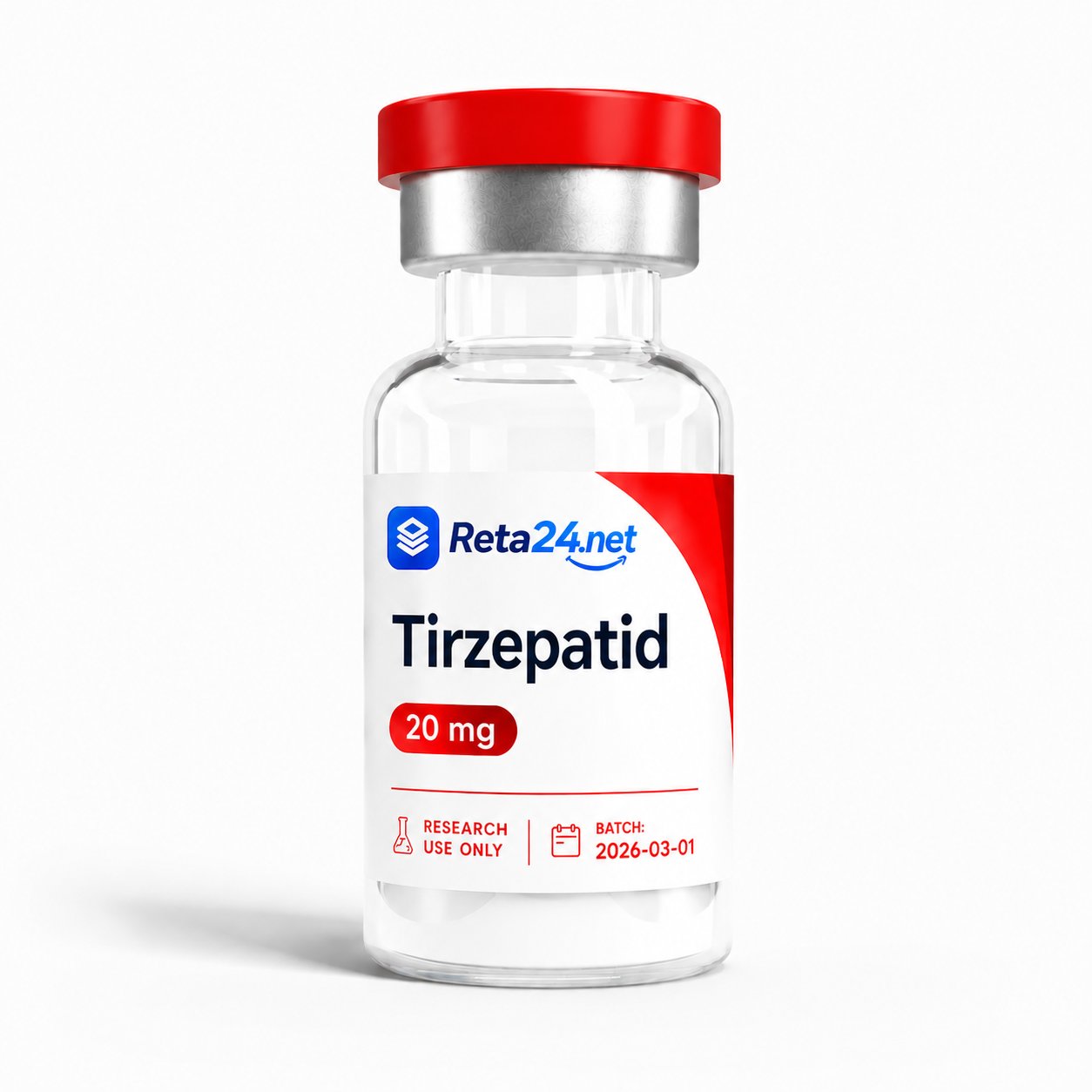
Tirzepatide (also known as GIP/GLP-1 RA) is a synthetic peptide consisting of 39 amino acids with a C20 fatty acid modification. It simultaneously activates the GIP (glucose-dependent insulinotropic polypeptide) and GLP-1 (glucagon-like peptide-1) receptors, making it a next-generation dual receptor agonist.
Mechanism of action
Through the simultaneous activation of both receptors, tirzepatide enhances insulin secretion, improves insulin sensitivity via GIP-mediated pathways, and modulates appetite and energy expenditure through central and peripheral mechanisms. The synergistic effect of this dual activation results in superior efficacy compared to pure GLP-1 agonists.
Research findings
- Up to 22.5% weight loss in SURMOUNT studies
- Superior HbA1c reduction compared to semaglutide (SURPASS studies)
- Improvement in liver fat levels and cardiovascular markers
- Research on sleep apnea and heart failure
Technical data
| sequence | 39 amino acids with C20 fatty acid modification |
|---|---|
| Sum formula | C₂₂₅H₃₄₈N₄₈O₆₈ |
| Molecular weight | 4,813 Da |
| purity | ≥ 98 % (HPLC-tested) |
| form | Lyophilized powder |
| Half-life | ~ 5 days |
| storage | At -20 °C (long-term) or 2–8 °C (short-term) |
| Origin | Synthetic |
For research purposes only. Not intended for human use.
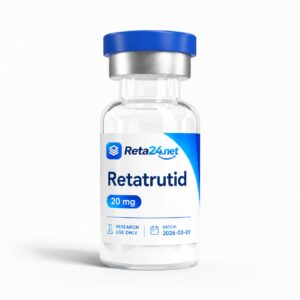
Reconstitution note 20 mg: This vial size offers a higher yield per reconstitution and is suitable for medium-term experimental series with multiple measurement points, without the need to restart in between.
Reconstitution: Example calculation
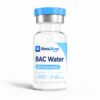
To achieve a working concentration of 10 mg/ml, reconstitute the 20 mg vial with 2 ml of sterile bacteriostatic water (BAC water). Slowly inject the water along the inside of the vial and gently swirl it instead of shaking. Detailed step-by-step instructions can be found in our user manual.
Frequently Asked Questions
Why choose 20 mg instead of 10 mg?
In trials with multiple repetitions or longer observation periods, the larger quantity of vials reduces the number of necessary reorders.
Is the purity identical in larger vials?
Yes — each batch is tested for the same purity regardless of vial size and delivered with its own certificate of analysis.
Quality assurance
Each production batch undergoes independent dual testing: HPLC analysis to determine purity and LC-MS analysis to definitively verify molecular mass and correct peptide sequence. Only after passing this test is a batch released.

Reviews
There are no reviews yet.